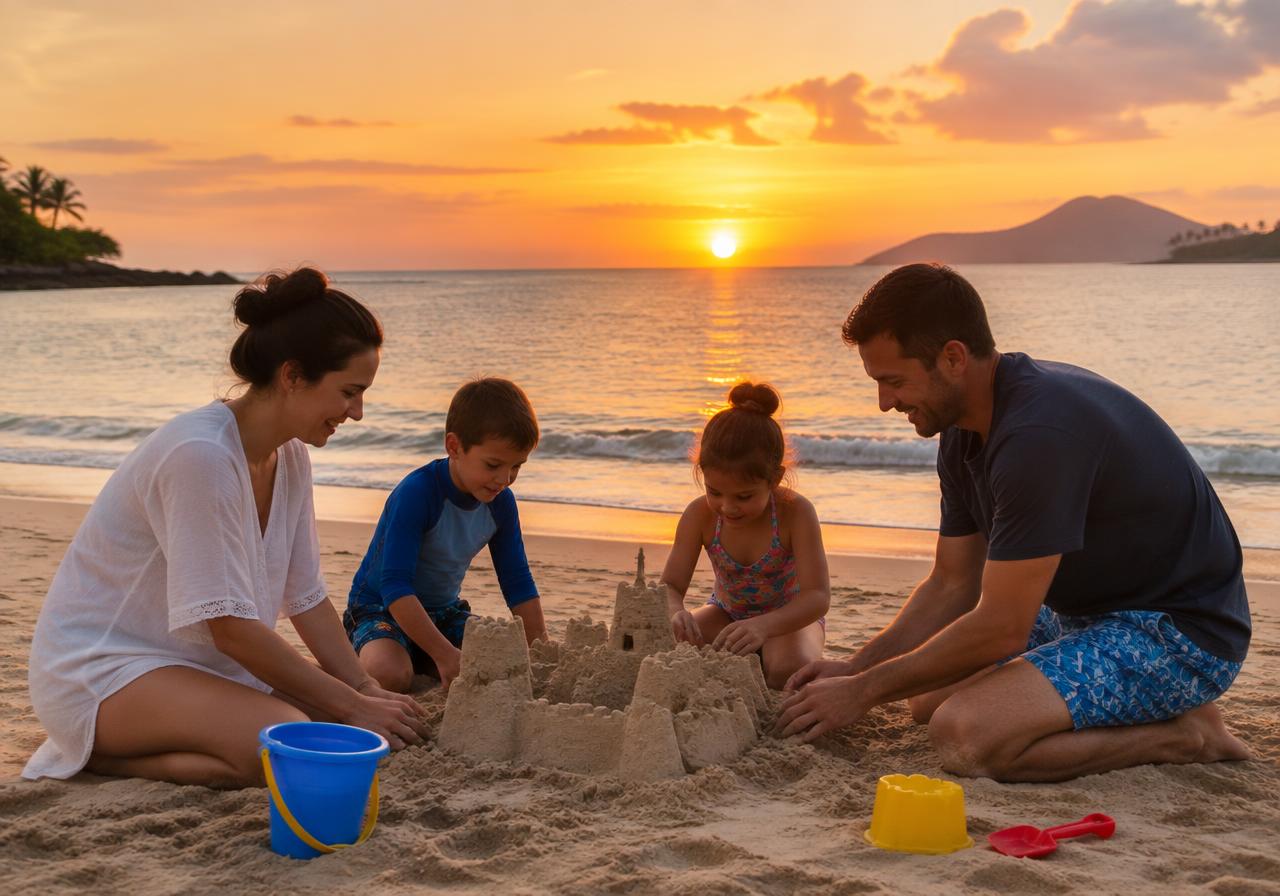



A useful family plan leaves room for shared memories without requiring every person to have the same energy, schedule, or interests. It also considers the practical questions families face when traveling together, including accommodation choices, activity levels, downtime, and the overall pace.
Mary Hartland plans family and multigenerational vacations from Cumberland, Rhode Island. You can start with the people going, the dates you are considering, and the kind of time together you hope to create.
For families, “more” is not always better. An itinerary packed with activities may leave young children tired, while too little structure may frustrate older children or adults who want to explore. Comparing the trip length, accommodation setup, park or resort time, meals, and planned activities helps the group choose a pace everyone can enjoy.
Multigenerational travel adds another layer. Grandparents may value comfortable downtime, parents may be coordinating the group, and children may be eager for activities that adults would not choose on their own. A thoughtful plan can protect shared experiences while leaving space for travelers to follow different interests during part of the day.
The destination can be a cruise, Walt Disney World, Universal Orlando, a Caribbean or all-inclusive resort, or a custom family vacation. The important starting point is not a universal ranking of destinations; it is a clear understanding of your family and what would make time together feel worthwhile.
Planning early conversations around the family also helps reveal questions that may otherwise appear late: whether a resort has the atmosphere the group wants, whether a cruise itinerary suits the ages aboard, how much theme-park time is realistic, or whether a custom route asks too much of younger travelers. Those are planning questions, not obstacles, and they can guide a better fit.
Families can bring both enthusiasm and uncertainty to the first conversation. One person may be focused on beaches, another on rides, another on seeing relatives together. Putting those wishes beside the available time and general budget gives Mary Hartland a clearer basis for discussing possibilities, while allowing the group to decide which experiences matter most.
That work is especially helpful when the trip is intended for everyone but planned by only one or two people. A shared understanding of the priorities can make it easier to explain the choices to the wider family and to build anticipation without promising that every traveler will want the same schedule.
The family does not need perfect agreement on the first call. A clear conversation about priorities gives the group a way to make decisions together and identify where flexibility will help.