
The best comparison depends on who is traveling and what they want from time at sea and ashore. A first-time cruiser may need a clear explanation of the basics; a family or multigenerational group may need to think carefully about cabins, activities, and different daily rhythms.
Mary Hartland can discuss Caribbean, Alaska, European, Mediterranean, and other ocean cruise possibilities from Cumberland, Rhode Island. If you are unsure where to cruise—or whether ocean or river cruising fits better—that uncertainty is a useful place to begin.
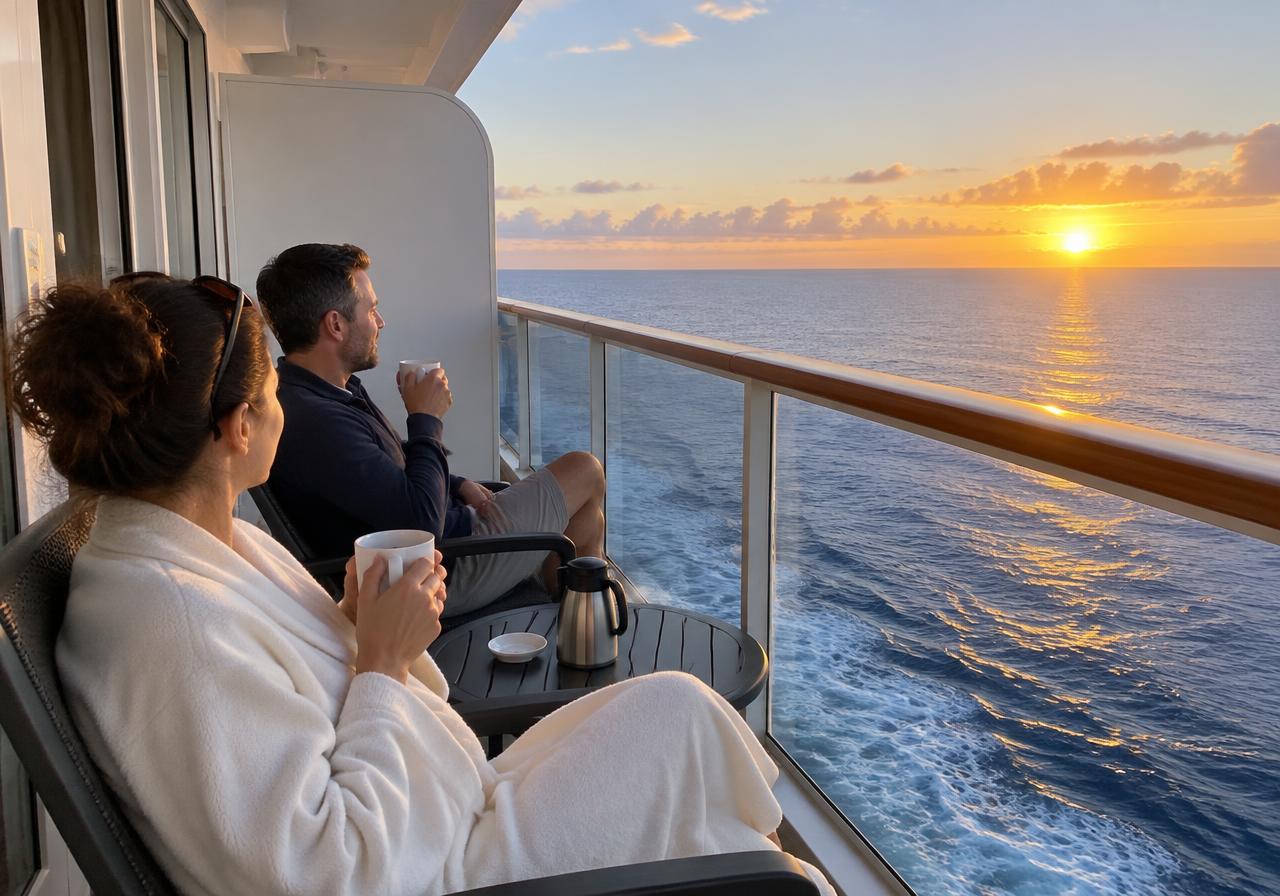
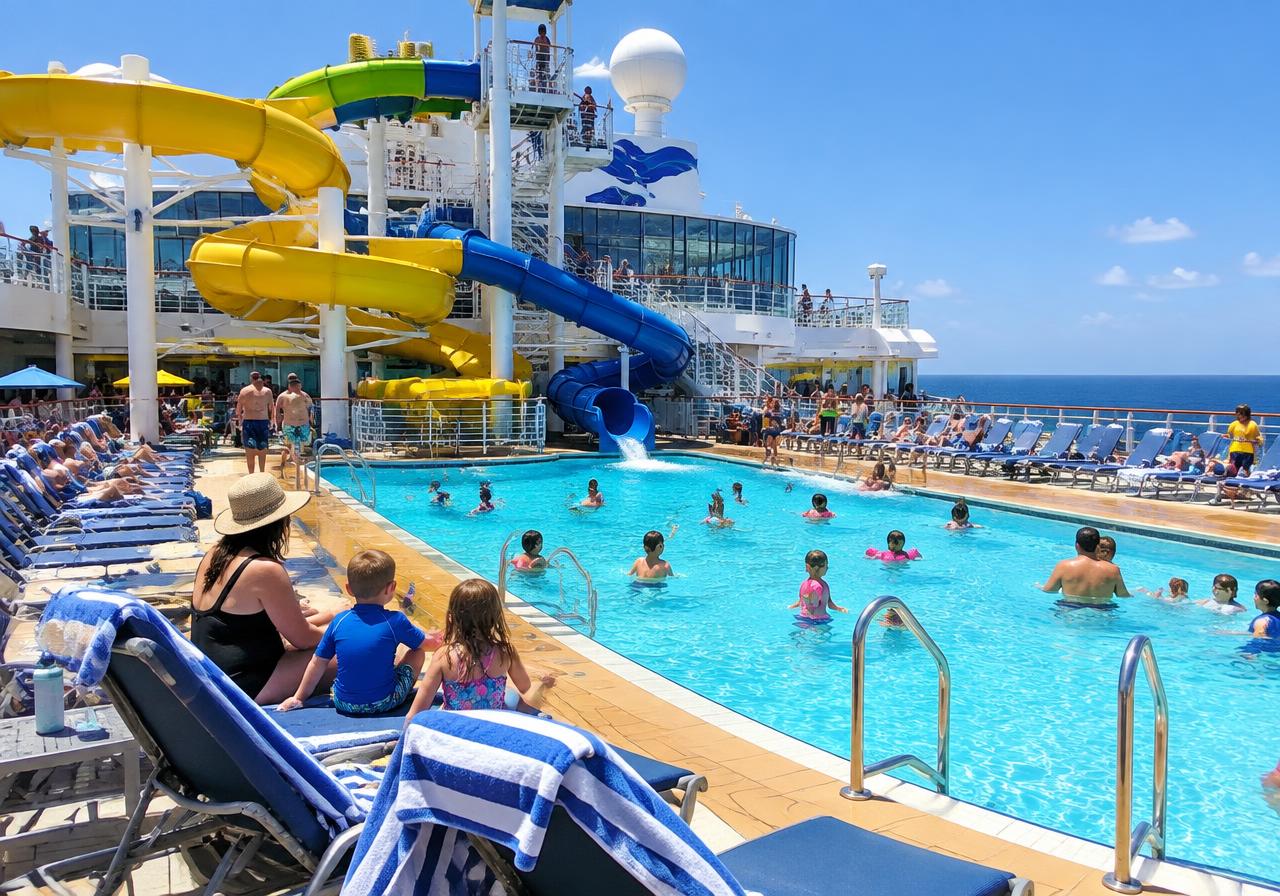
A cruise comparison becomes clearer when the group decides what matters most. Some travelers focus on the destination and ports; others care about the ship’s atmosphere, dining, entertainment, children’s programming, or opportunities to be active. Cabin category and location matter as well, particularly when several travelers are sharing the journey.
First-time cruisers can ask practical questions before choosing an itinerary, while experienced travelers may be looking for a different ship, region, or style of sailing. Families and multigenerational groups may need to coordinate cabins and shared plans without expecting every traveler to spend every hour together.
The cruise is also part of a larger travel plan. Departure ports, transportation, and the time before embarkation or after returning belong in the conversation. Looking at those pieces together helps travelers consider an ocean cruise as a complete vacation rather than an isolated booking.
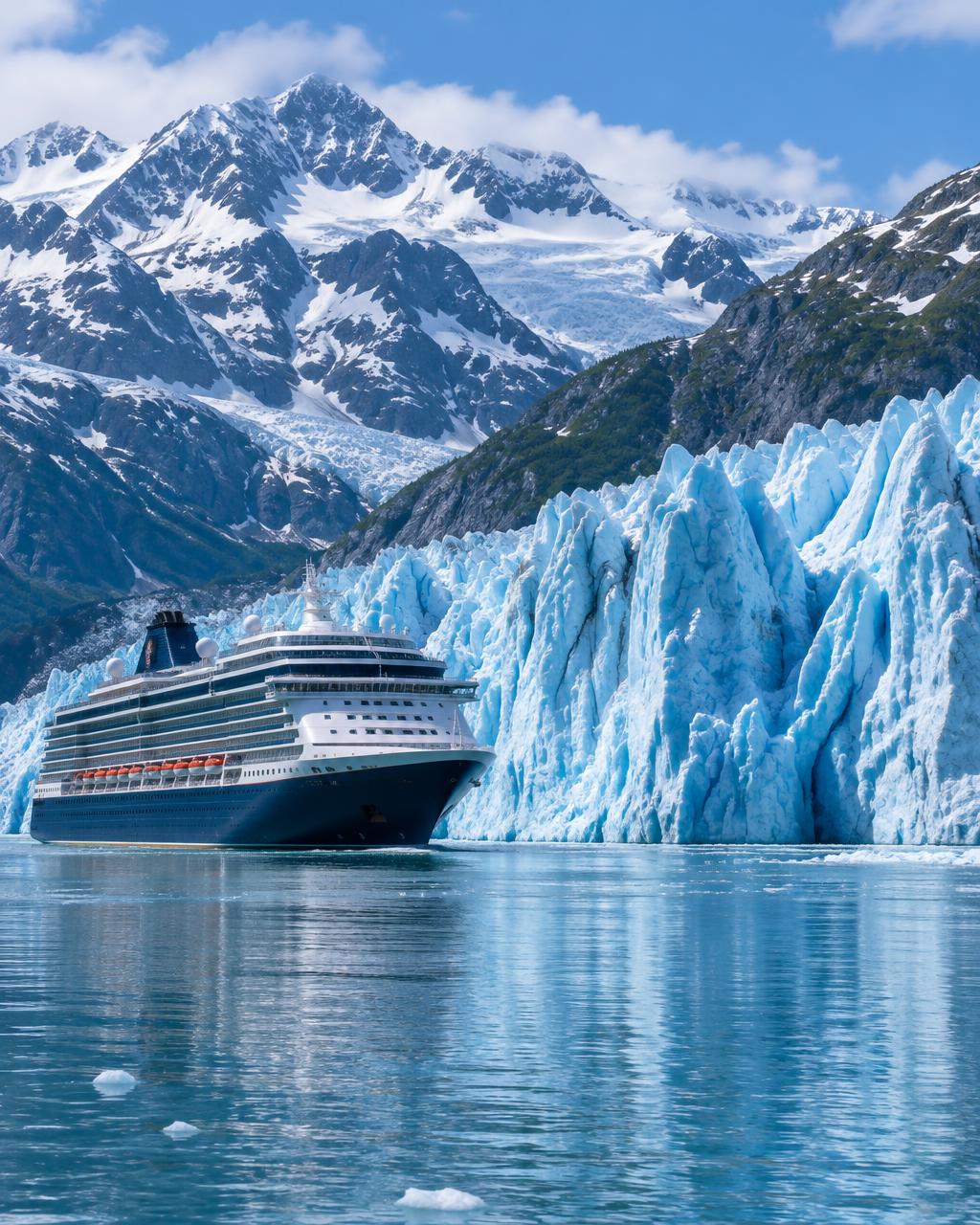
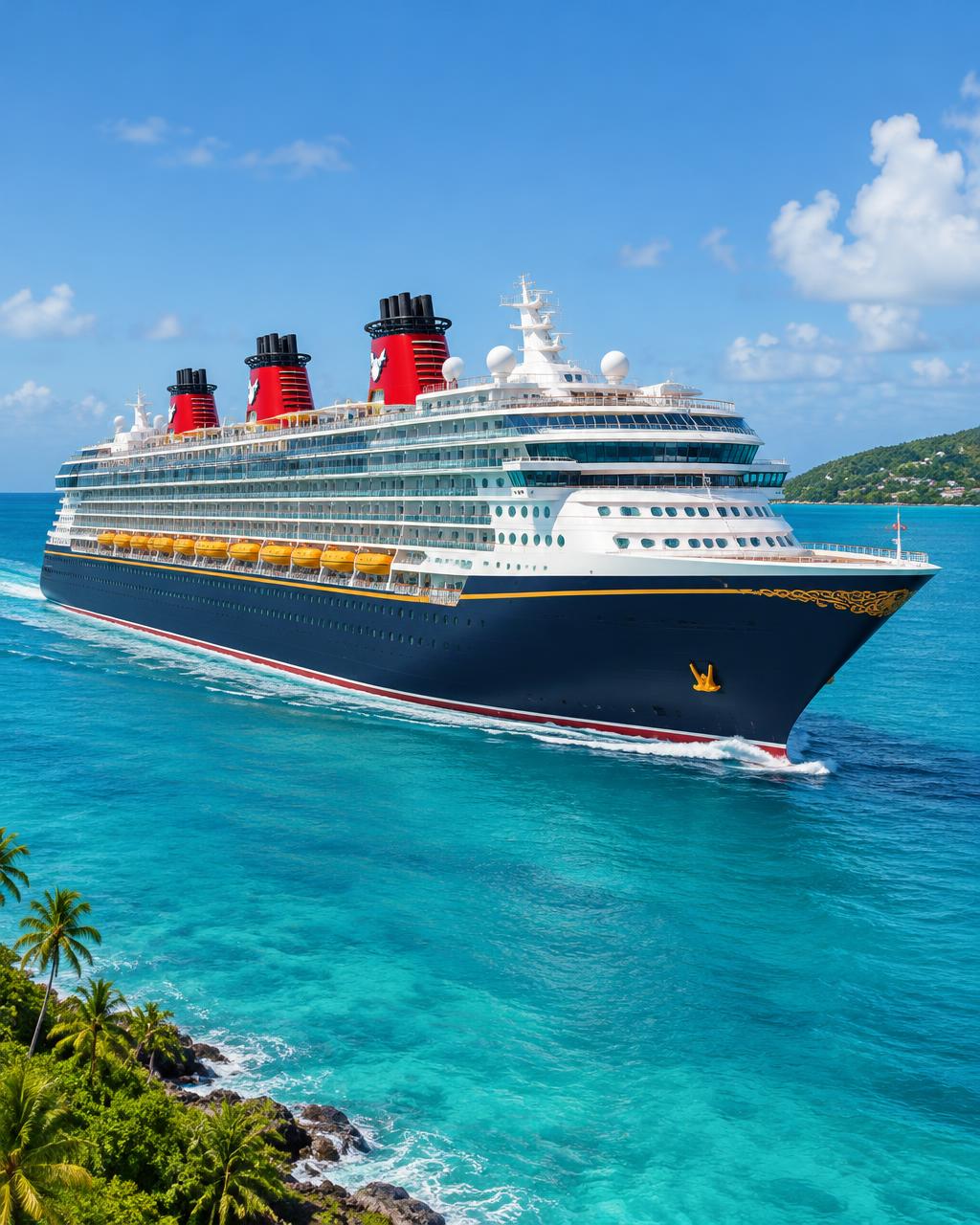
There is no single “best” cruise for every traveler. A Caribbean sailing, Alaska itinerary, or European and Mediterranean route can each be appealing for different reasons, just as two ships on similar routes can create different experiences. Starting with your priorities gives the comparison a useful purpose and keeps the final choice connected to the trip you actually want.
Cruise planning can therefore begin with a broad question rather than a booking request. Do you want several ports, time focused on the ship, a family-friendly atmosphere, a particular region, or a first experience that feels easy to understand? Those answers narrow the field more effectively than browsing every available sailing and help make the next decisions more manageable.
The same approach applies whether the sailing is for one couple, a family, or several generations. The group can consider what should be shared, what can remain flexible, and which cabin and itinerary details deserve careful comparison before the cruise becomes the center of the vacation plan.
Taking those questions in order is less stressful than trying to solve every cruise decision at once. It also leaves room to choose a sailing because it fits the travelers, not merely because it appeared first in a search.
A thoughtful comparison keeps the destination, ship, cabin, and surrounding travel connected from the beginning, giving the group a clearer way to choose.